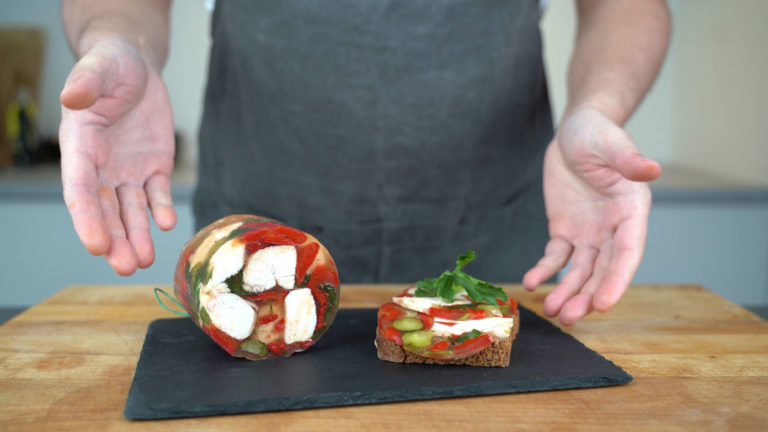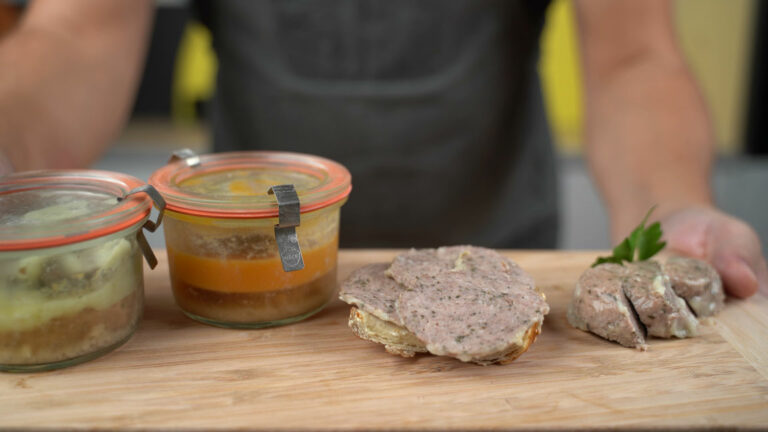
Types of Cold Cuts – Meats, Uses and Storage

From mild cooked ham and Lyoner to bold salami and air-dried ham, there are plenty of types of cold cuts to choose from. I’ll walk you through the main varieties, ways to serve them on bread or a platter, and how to store and freeze sliced meats.
In Germany, we usually eat cold cuts for breakfast or Abendbrot, our evening meal of bread and toppings. Sometimes we enjoy them with a hearty Brotzeit too.
Enjoy reading!
What are cold cuts?
Cold cuts are sliced sausages, ham, roast meats or even cheese.
Butcher shops usually use a dedicated meat slicer. At home, you can also use a bread slicer.
Cold cuts are typically eaten on bread. At parties, you’ll usually find them on platters for guests to help themselves.
Typical sausages for cold cuts
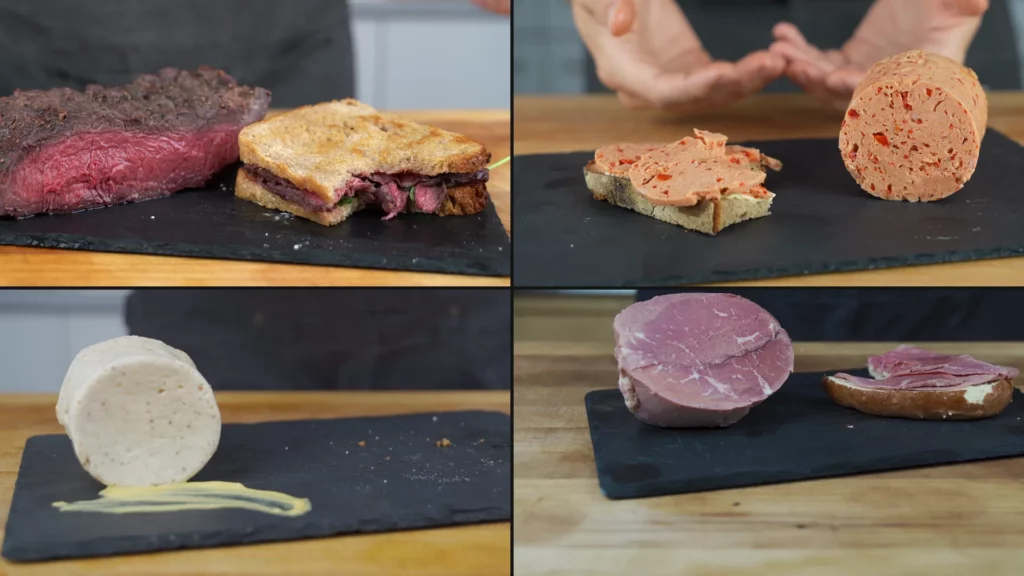
In general, any sausage variety that’s firm enough to slice can be used…
Some of the most popular examples are:
Cooked sausages
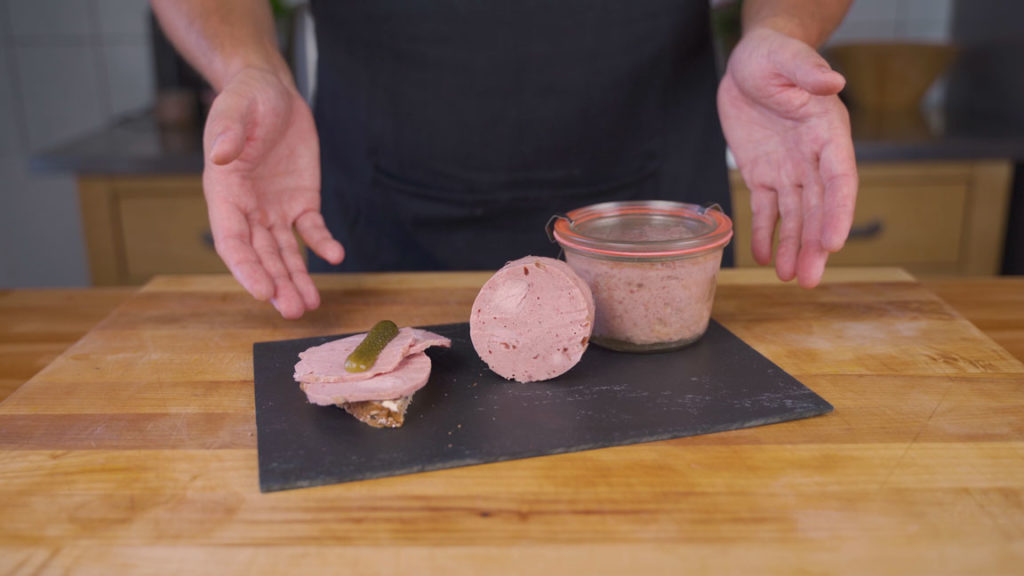
Cooked sausages are a classic on any cold-cuts platter. Examples include Bierschinken, Gelbwurst and Lyoner. They slice thinly and have a mild, delicate flavor.
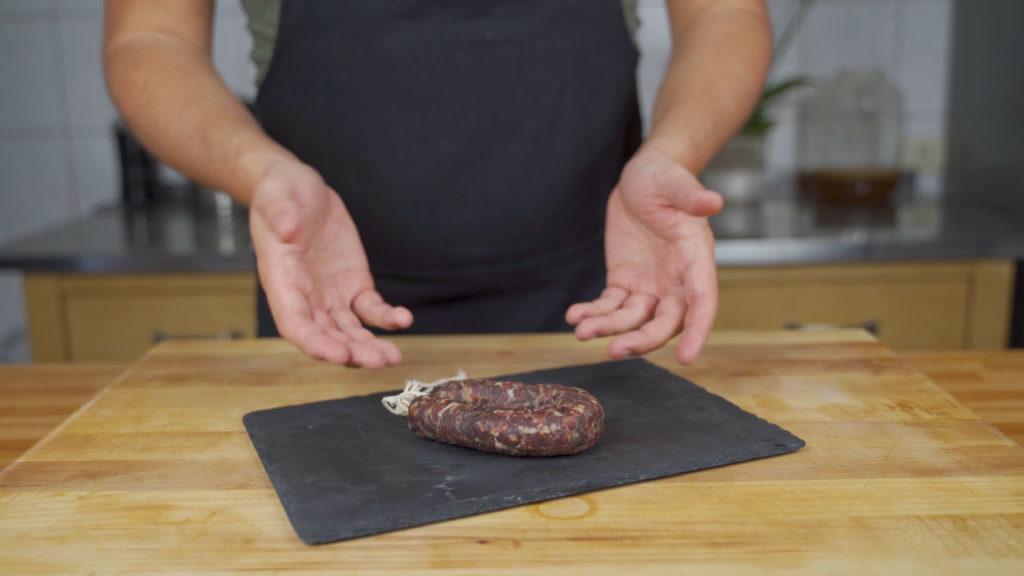
Cured sausages
The best-known cured sausage for cold cuts is salami. Maturing gives it a particularly long shelf life and a strong, savory flavor.
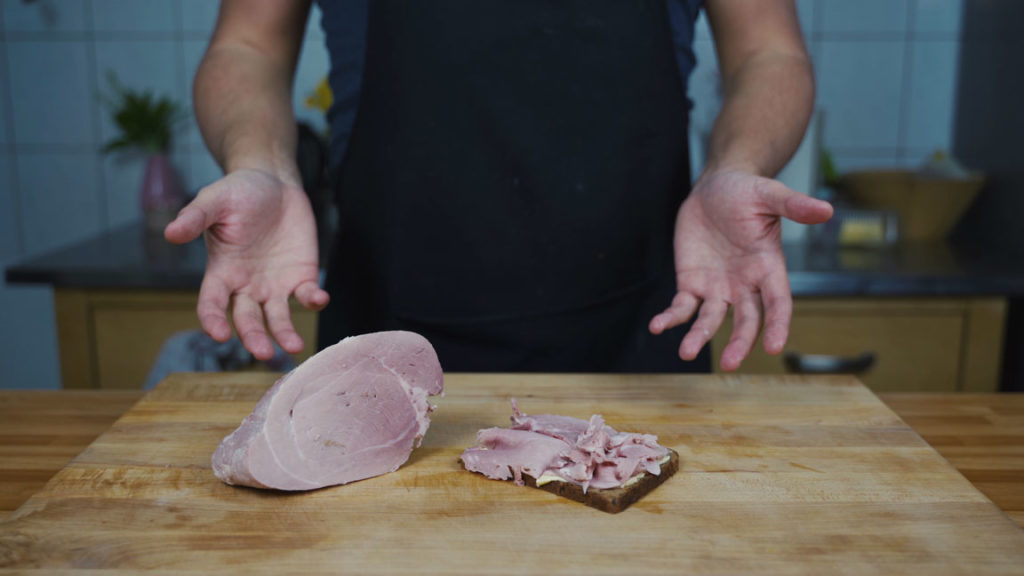
Cooked ham
Cooked ham has a mild flavor and can be sliced paper-thin. It’s one of Germany’s most popular cold cuts.
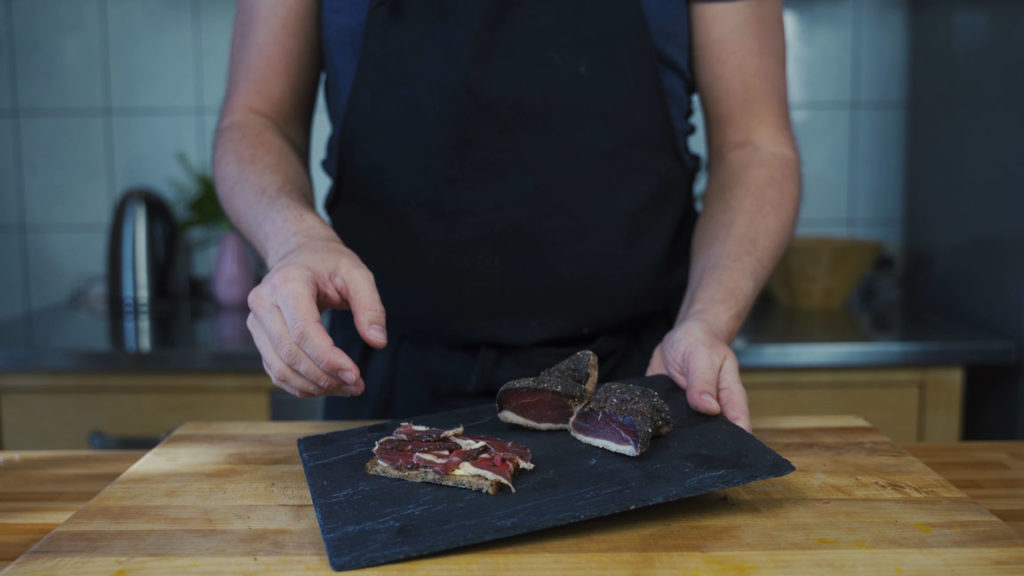
Dry-cured ham
There are plenty of variations here too, such as Lachsschinken, duck prosciutto and cured beef. Dry-cured ham is air-dried or smoked and has a bold flavor.
Roast meats
Cold roast meat is firm enough to slice and makes excellent cold cuts. Roast pork and roast beef are especially good cold on bread.
Ways to enjoy cold cuts
Cold cuts for breakfast
Cold cuts are a breakfast staple, especially on weekends. We eat them with fresh rolls or freshly baked bread.
Cold cuts for Brotzeit
Brotzeit is especially popular in southern Germany. In rural areas, it sometimes takes the place of lunch or dinner.
Cold cuts play an important role in a traditional Brotzeit. Alongside cheese, sausage salad and Obatzda, they’re an essential part of the platter.
Filled rolls for a quick snack
Cold cuts on bread or rolls make a quick snack. Salami with butter and a pickle is a classic. Cheese, ham and Schinkenwurst are popular roll fillings too.
Cold cuts for dinner
When Brotzeit moves to the evening, we usually call it “Abendbrot.” Again, it features different cold cuts with bread or rolls.
The perfect cold-cuts platter
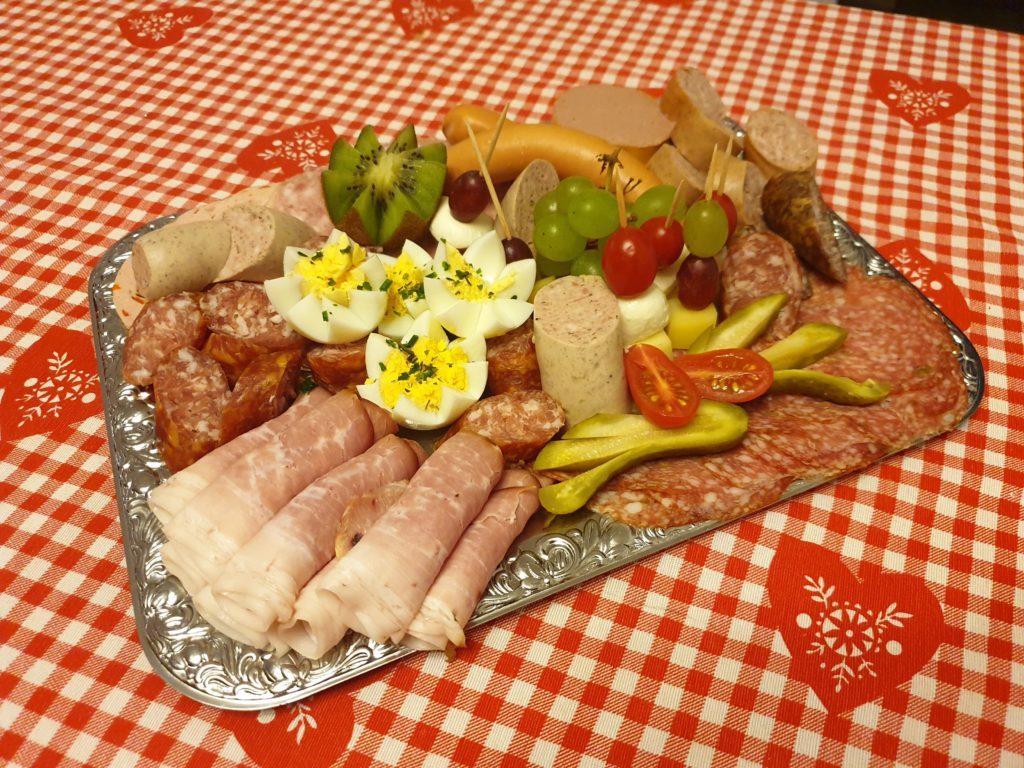
Want to put together a platter of fresh cold cuts? Take a look at my guide to arranging a meat platter.
There, I’ll show you my suggestion for the perfect meat platter.
Tastes differ from person to person and region to region, so you can always swap one cold cut for another.
How to store cold cuts
Cold cuts don’t keep long once opened. Important: Always refrigerate them and use within 3 to 4 days.
Unopened cold cuts packaged in a modified atmosphere last much longer. Check the best-before date on the packaging.
You can also freeze cold cuts. Put parchment paper between the slices so they don’t stick together. They keep in the freezer for about 2 to 3 months.
Frequently asked questions
What are cold cuts?
Cold cuts are sliced sausages, ham, roast meats or cheese eaten on bread. In Germany, they’re part of breakfast, Brotzeit and Abendbrot.
Which sausages work as cold cuts?
Any sausage firm enough to slice works as a cold cut. Popular examples include cooked sausages such as Bierschinken, Gelbwurst and Lyoner, cured sausages such as salami, and cooked or dry-cured ham.
How long do cold cuts keep?
Opened cold cuts keep in the refrigerator for 3 to 4 days. Unopened cold cuts in modified-atmosphere packaging last much longer. Check the best-before date.
Can I freeze cold cuts?
Yes, you can freeze cold cuts. Put parchment paper between the slices so they don’t stick together. They keep in the freezer for about 2 to 3 months.