How to Make a Charcuterie Board

Charcuterie is the art of preparing meat and includes foods such as bacon, ham, sausage, terrines, pâtés and preserves. Today, the term is mainly used for thoughtfully arranged boards of meats, cheese and accompaniments.
In this post, I’ll show you where the name comes from, the traditional types and how to make a charcuterie board of your own. You’ll also find three suggested boards and practical tips.
What is charcuterie?
The word charcuterie comes from the French chair (meat) and cuite (cooked). It originally described the craft of preparing pork. In France, charcuterie still refers to shops specializing in ham, sausage, pâtés and terrines.
In German-speaking countries, charcuterie is often translated as “Feinkost,” meaning delicatessen food. It describes the art of making sausages and prepared meats. Today, though, the word is most often used for carefully arranged meat and cheese platters, known as charcuterie boards.
Traditional charcuterie uses ham, sausage, bacon and other pork products. Modern boards also feature duck, goose, chicken, cheese, fruit and vegetables.
Traditional charcuterie
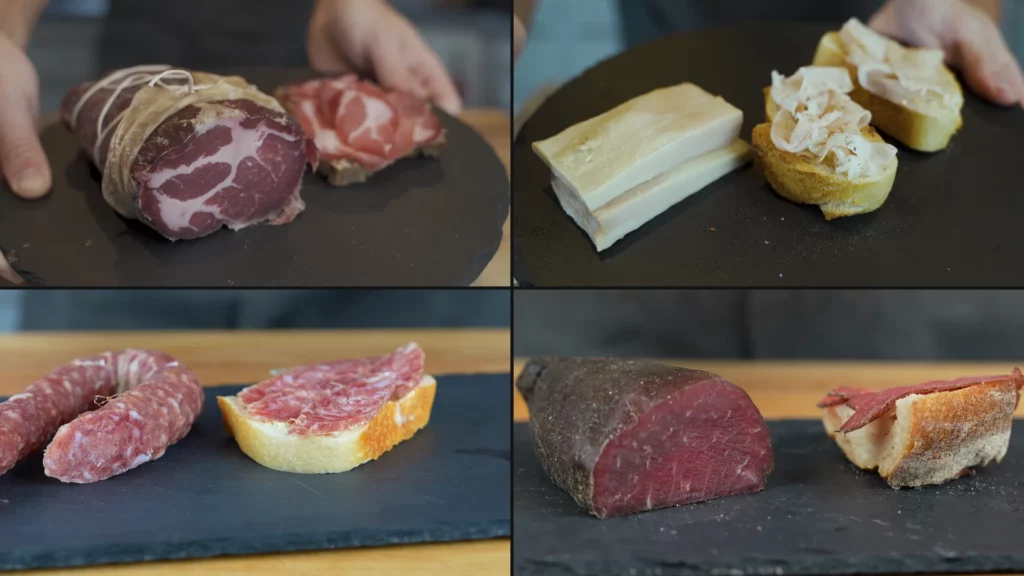
There are many kinds of prepared meats you can use on your board. Here are four classics:
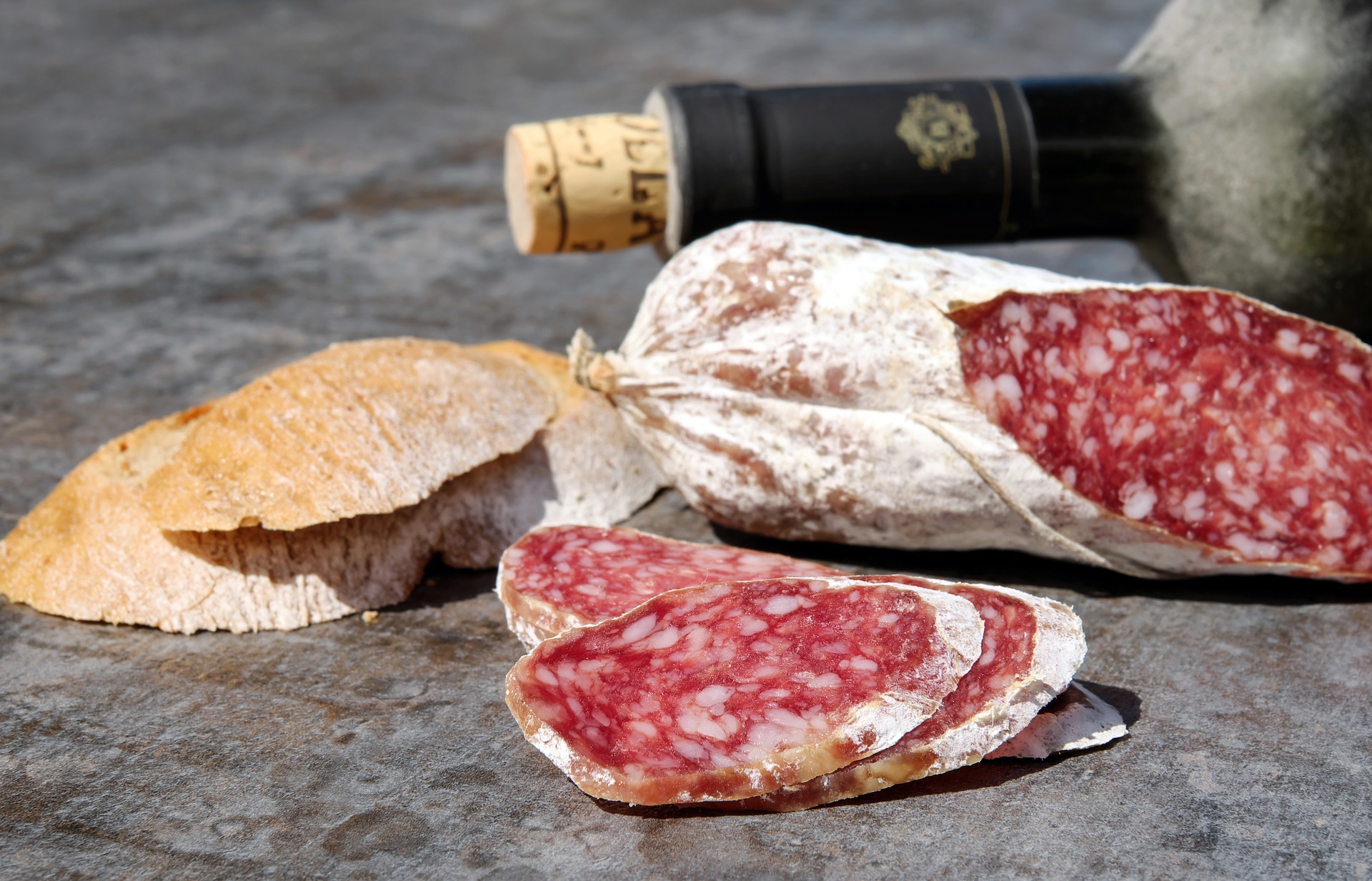
1. Salami
Salami is usually made from pork. It’s seasoned, stuffed into a casing, then smoked or air-dried. There are countless varieties, from Spanish chorizo to French saucisson sec.
How you serve it depends on the variety. Genoa salami works well thinly sliced on a sandwich or baguette. Chorizo is often used in cooked dishes, where it adds a strong flavor. For a charcuterie board, I recommend thinly sliced varieties such as Milano or saucisson sec.
2. Rillettes
Rillettes are a French meat spread similar to pâté but with a coarser texture. The meat is cooked until it falls apart, then shredded and generously seasoned. You can make rillettes with pork, rabbit, goose or duck.
Rillettes taste best cold or at room temperature on a piece of baguette. Serve them on the board in a small bowl with a spreading knife.
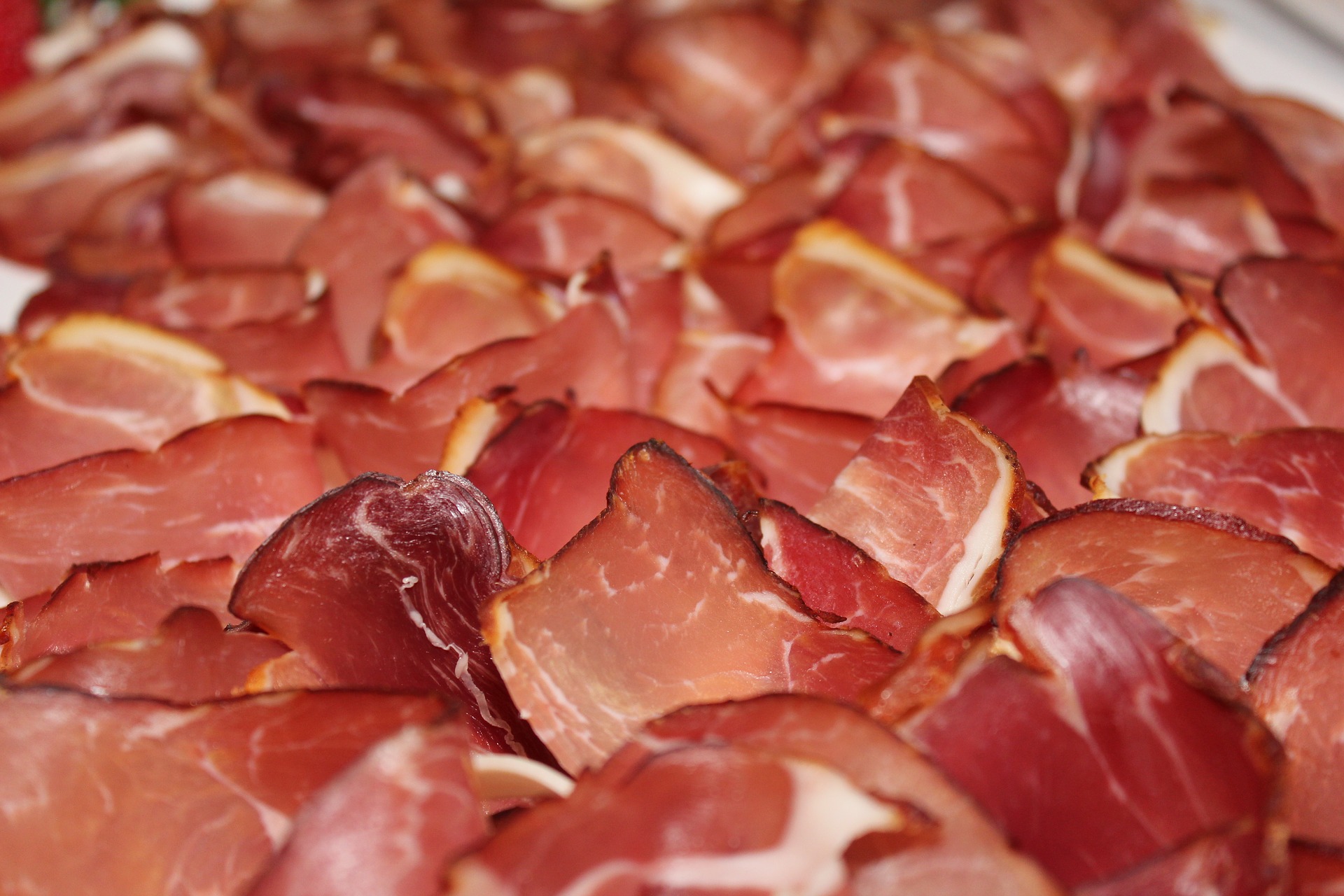
3. Ham
Ham is cured in salt and hung to dry for several months. Pork is the most popular meat, but lamb and duck also make excellent cured meats.
Ham is best served in paper-thin slices on your board. Pair it with a piece of baguette or wrap it around fresh figs or melon.
4. Mousse/pâté
A mousse is a mixture of liver and meat passed through a sieve before cooking, giving it its characteristic creamy texture. Chicken liver is often used, with spices, cream and a splash of wine.
My tip: serve the mousse cold on baguette. Delicious!
What goes on a perfect charcuterie board?
A charcuterie board doesn’t need many ingredients, but it does need a good selection. Here’s what your board could include. You’ll find my 3 specific suggestions below.
Meat and cheese charcuterie board
- At least 3 to 5 kinds of meat or cheese
- Different textures, such as sliced meats and spreads
- Sour and sweet elements
- Nuts, fruit and crackers
- Bread or baguette
Vegetarian or vegan board
- Vegetarian or vegan sliced meats or cheeses
- A selection of vegetables or grilled vegetables
- Spreads
- Nuts, fruit and crackers
- Bread or baguette
My three suggestions for a balanced board
Here are my suggested platters: a meat board, a cheese board and a vegetarian board.
The board
Start with something to serve everything on. A slate platter or wooden board works well. Wood feels rustic; slate looks more modern. Make sure there’s room for all the ingredients, or have several boards ready. Important: Only cut on wood, never on slate, which will ruin your knives.
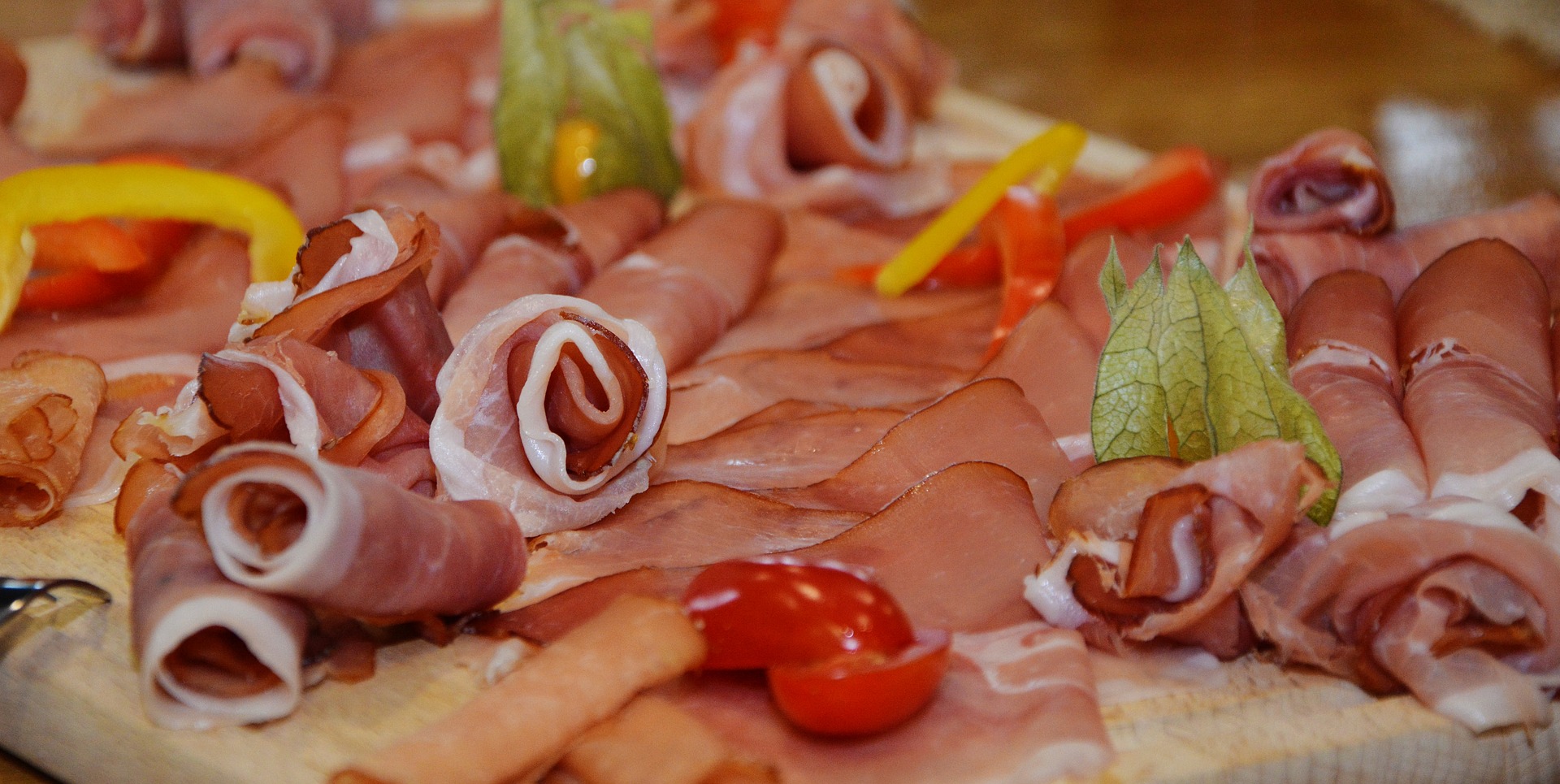
Meat board
For 4 people:
- 50 g salami
- 50 g turkey breast
- 50 g cooked ham
- 75 g Mett
- 75 g coarse or fine liverwurst
- 100 g smoked bratwurst
- Sour elements, such as gherkins and olives
- Mustard
- Nuts and crackers
- Baguette
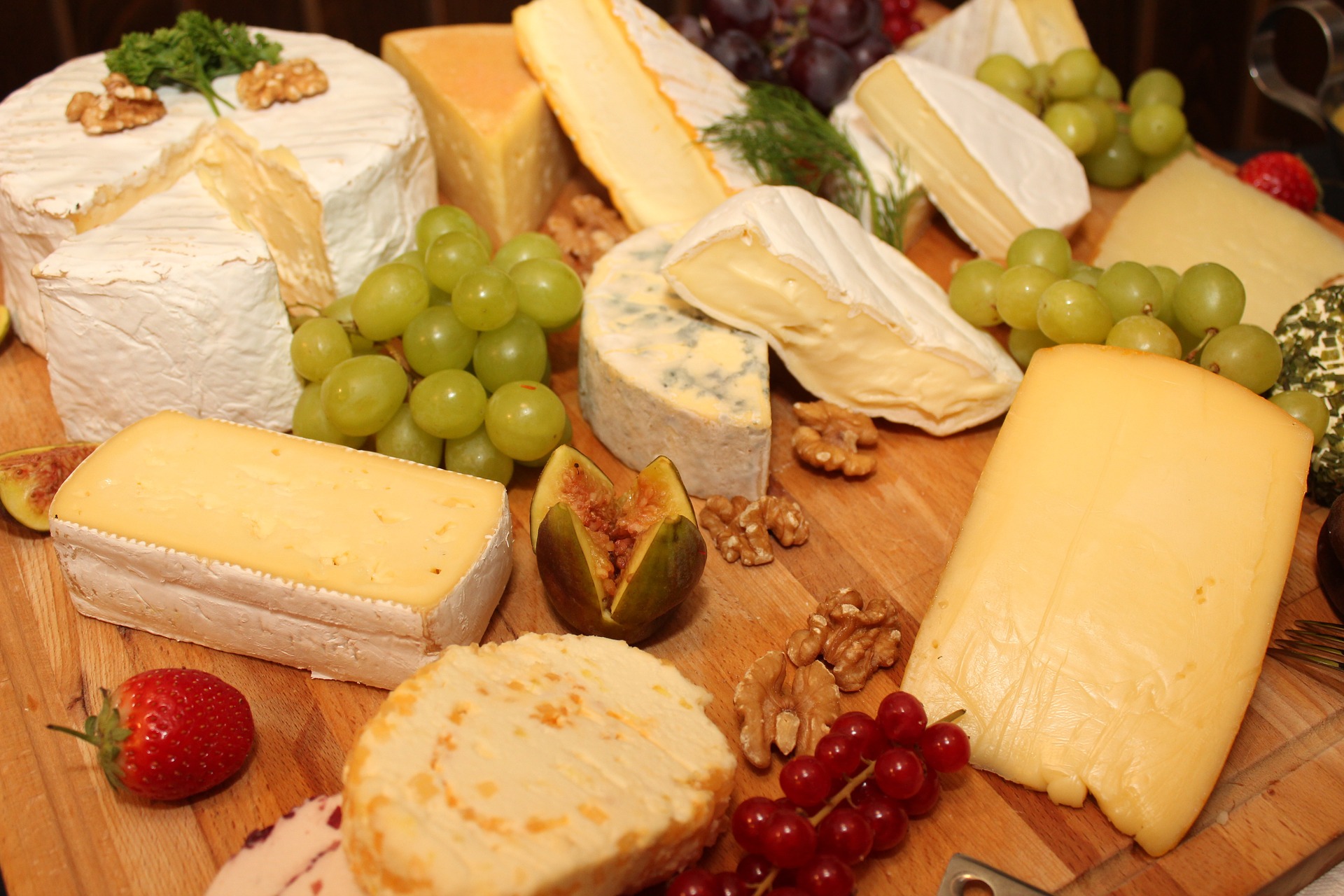
Cheese board
For 4 people:
- 50 g Camembert
- 50 g Tilsiter
- 50 g Emmental
- 100 g Obatzda
- 1 Tête de Moine
- Sweet elements, such as jam or chutney in bowls
- Fresh fruit, such as grapes, figs and pears
- Nuts and crackers
- Baguette
Vegetarian or vegan board
For 4 people:
- 100 g vegetarian or vegan sliced meat
- 100 g vegetarian or vegan cheese
- 70-85 g each of bell pepper, eggplant, zucchini, corn and carrots (also perfect grilled)
- 75 g assorted spreads, such as mushroom and walnut spread
- Mango chutney, tomato chutney
- Nuts, fruit and crackers
- Baguette
Bread
Good bread or baguette belongs on every board. My tip: don’t slice the whole loaf in advance. That keeps it from drying out, so every fresh slice tastes good.
Portion size
Judging the right amount is always tricky. My rule of thumb is 60-70 g of meat, cheese or vegetables per person for a snack. For a main course, allow about 150-160 g per person, plus bread, crackers and accompaniments.
Tips for the perfect charcuterie board
- Arrangement: A charcuterie board should look thoughtful, not chaotic. Spread the ingredients evenly and use contrasting colors.
- Choosing a board: Wood for a rustic look, slate for a modern one. Make sure there’s enough space for all the ingredients.
- Provide utensils: Put cheese knives, forks, small bowls and spoons beside the board so guests can help themselves easily.
- Wine: Wine goes well with a good charcuterie board. I recommend a light red, such as Pinot Noir, with meats and ham, and a dry white with cheese. Ask for advice at your wine shop.
- Charcuterie bar: For a larger group, set up a charcuterie bar instead of a board. Arrange everything on a long table or kitchen counter so guests can help themselves. This works especially well for parties and receptions.
Frequently asked questions
What does charcuterie mean?
What does charcuterie mean?
Charcuterie comes from French and literally means “cooked meat” (chair = meat, cuite = cooked). In German, it’s often translated as “Feinkost,” or delicatessen food. More specifically, it means the craft of making sausages and prepared meats, including ham, salami, pâtés and terrines.
What is a charcuterie bar?
What is a charcuterie bar?
A charcuterie bar is a variation on the classic board, with ingredients arranged along a long table or counter. Guests help themselves and build their own plates. It’s especially useful for parties, receptions or events with lots of guests.
How much charcuterie do I need per person?
How much charcuterie do I need per person?
For a snack or appetizer, allow 60-70 g of meat, cheese or vegetables per person. As a main course, plan for about 150-160 g per person, plus bread, crackers and accompaniments.
Which board is best for charcuterie?
Which board is best for charcuterie?
A wooden board or slate platter works best. Wood feels rustic and you can cut directly on it. Slate looks more modern, but don’t cut on it, as it damages your knives. Make sure the board is big enough for all the ingredients.