How to Make Butter at Home

- Level
- Easy
- Rating
- Rate this recipe
In this post, I’ll show you how to make butter at home.
Butter is one of my kitchen all-rounders. On fresh bread with homemade sausage, it’s a dream, and it’s perfect for baking and cooking too. Best of all, you only need one ingredient: cream.
Alongside the basic recipe, I’ve got 2 more variations for you: tangy cultured butter and seaweed butter with a rich umami flavor. Preparation takes about 20 minutes.
Here you’ll find the complete butter recipe.
Have fun and good luck making it!
Homemade butter – ingredients and equipment
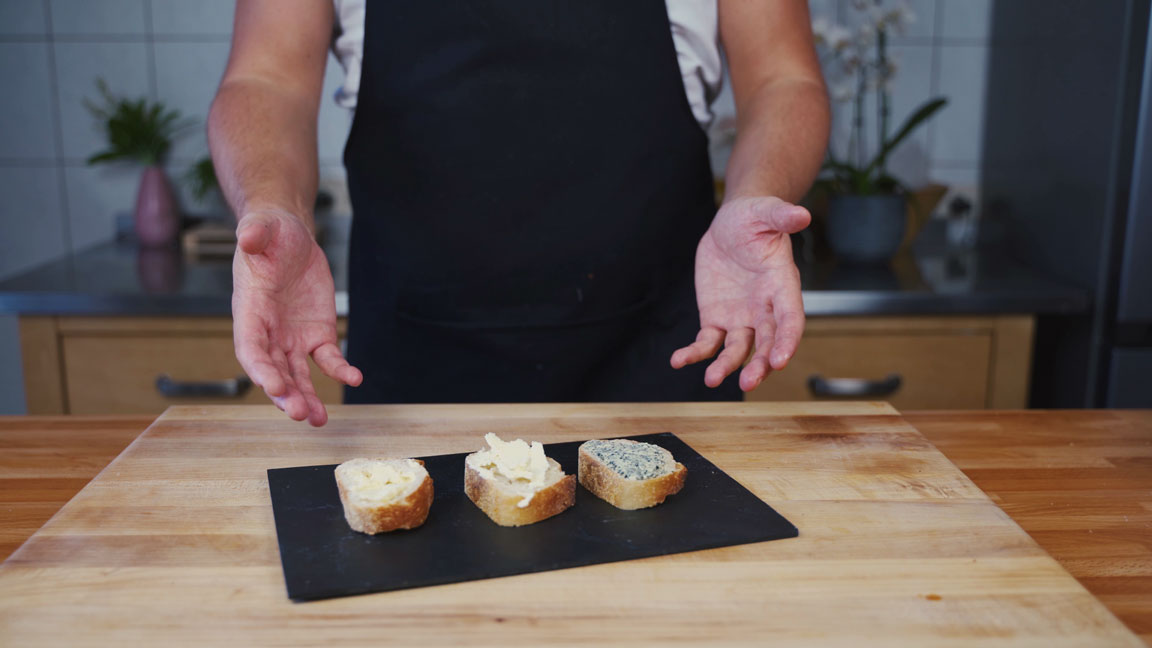
Ingredients
| Ingredient | Grams | Percent |
|---|---|---|
| cream at least 30 % fat | 400 ml |
Ingredients for cultured butter
- 400 ml cream (at least 30 % fat)
- 2 tsp cultured sour milk (with live cultures, not pasteurized)
Ingredients for seaweed butter
- Butter from the basic recipe
- Dulse seaweed (to taste)
- Wakame seaweed (to taste)
Equipment
Food processor, hand mixer or blender
Use this to whip the cream until the butter separates from the buttermilk. Alternatively, put it in a preserving jar and shake hard.
Sieve or linen cloth
For separating the buttermilk. A kitchen towel works especially well because you can wring out the butter in it too.
Bowl of cold water
For washing the butter. Have a wooden spoon ready to press the butter in the water.
Container or parchment paper
For shaping and storing your finished butter.
How to make butter – step-by-step instructions
Whip the cream
Pour the cold cream (refrigerator temperature, about 4–7 °C (39–45 °F)) into your food processor and run it at full speed. After a few minutes, the cream becomes thick, then small lumps form. Important: The cream must be refrigerator-cold, or it won’t whip properly.
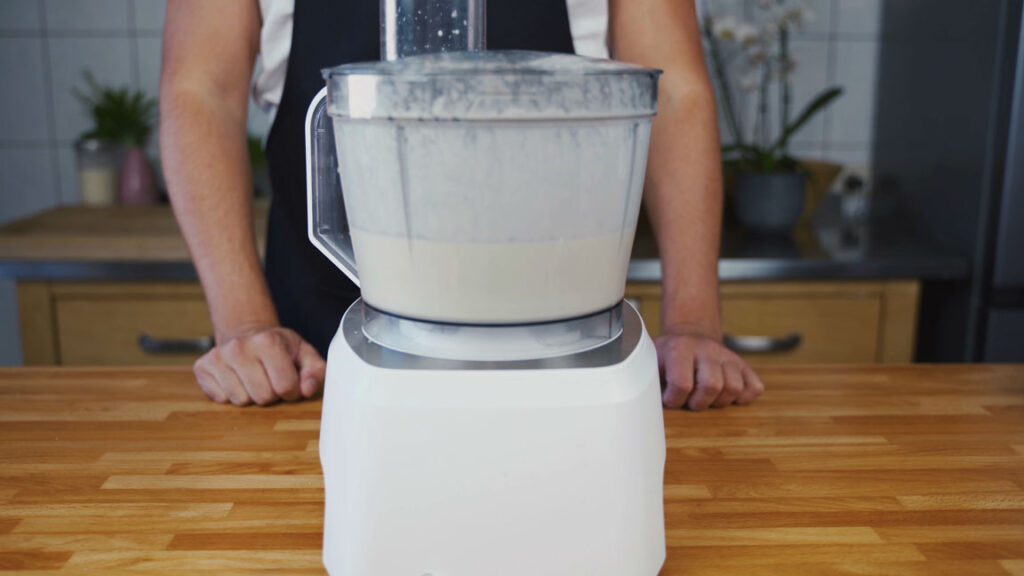
Separate the buttermilk
Switch off the machine once the buttermilk has clearly separated from the pieces of fat. You’ll see the liquid rise and the butter clump together. It also starts splashing at this point, so take care.
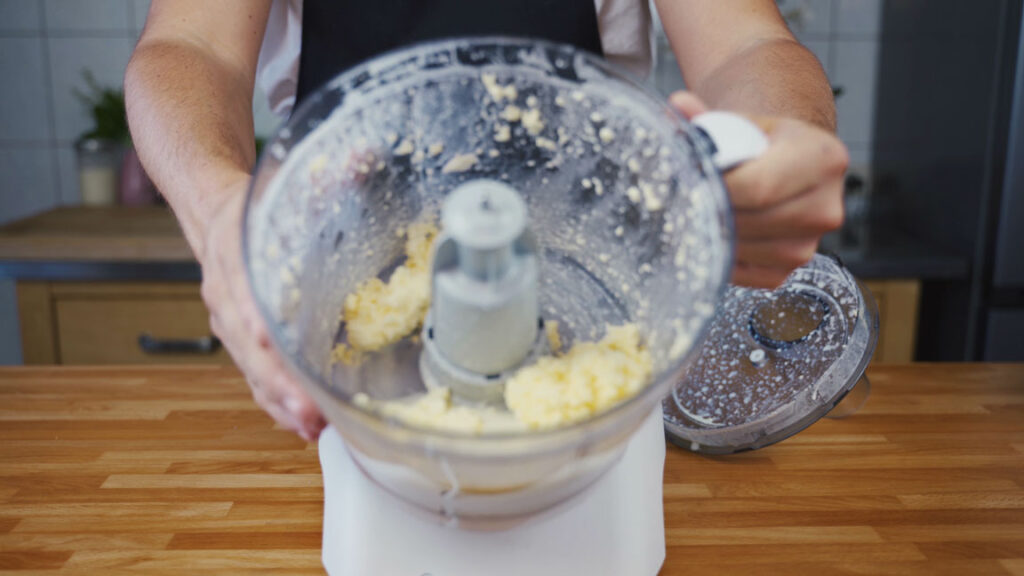
Strain the butter
Pour the mixture through a sieve or linen cloth to separate the buttermilk from the butter. Tip: Remove the mixing attachment first to avoid a mess. Save the buttermilk for baking or drinking.
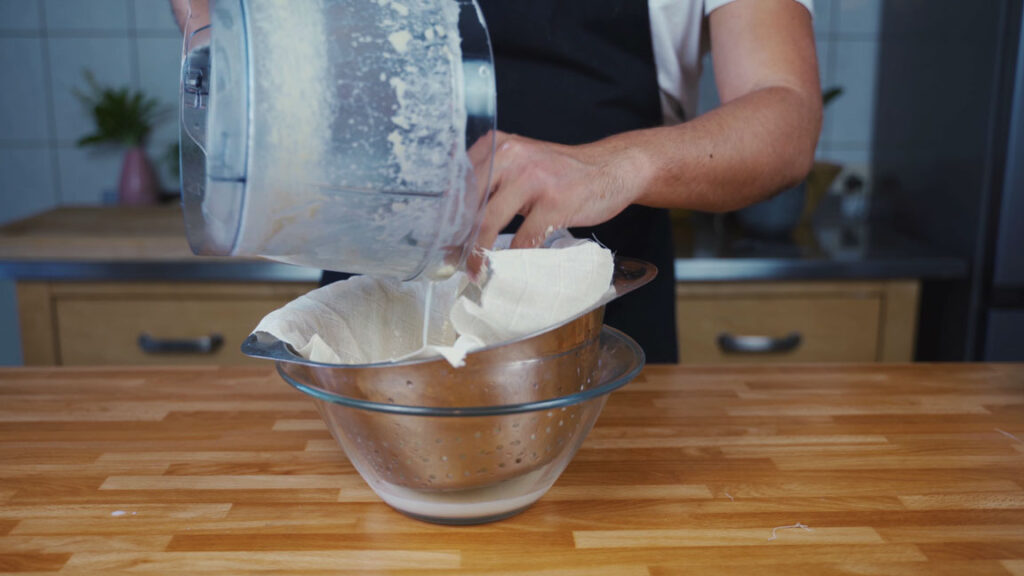
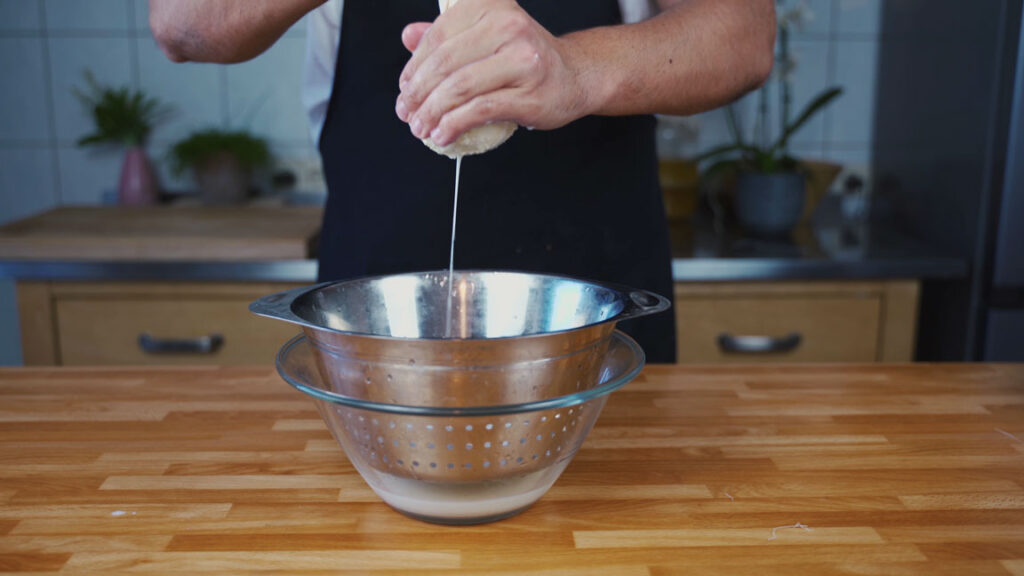
Squeeze out the butter
Wring the butter firmly in the linen cloth to squeeze out as much buttermilk as possible.
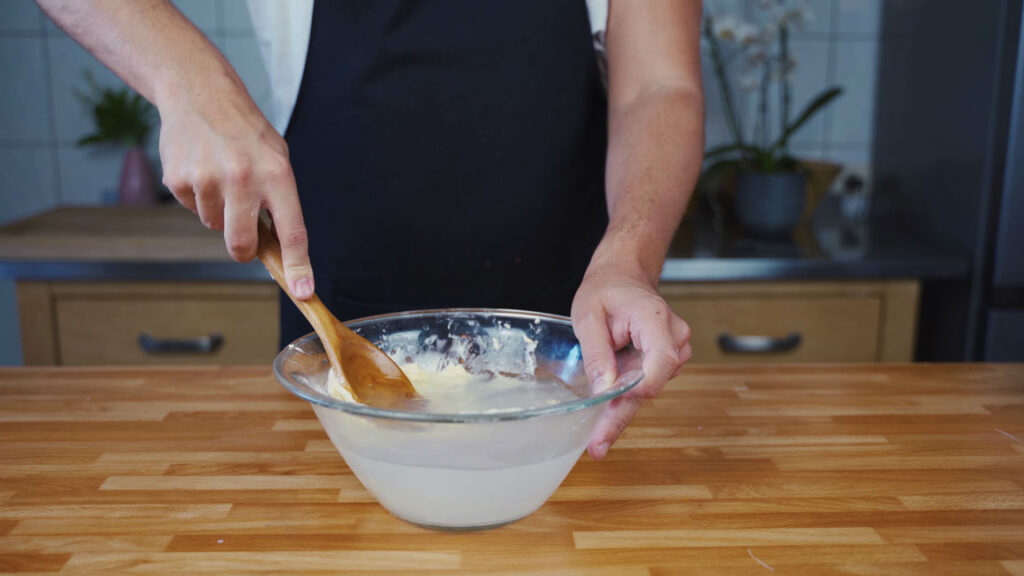
Wash the butter
Put the butter in a bowl of cold water and press it with a wooden spoon. The water will turn milky. Change the water and repeat until it stays clear. Washing removes the remaining buttermilk, which helps the butter keep much longer.
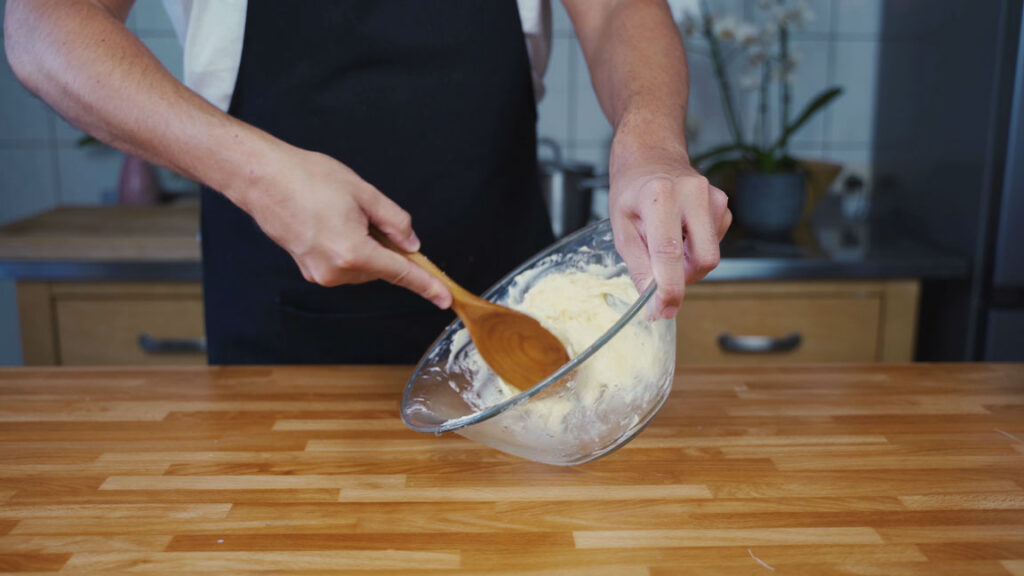
Remove the remaining water
Pour off the water and press the butter firmly once more to remove the last of the water.
Shape and chill the butter
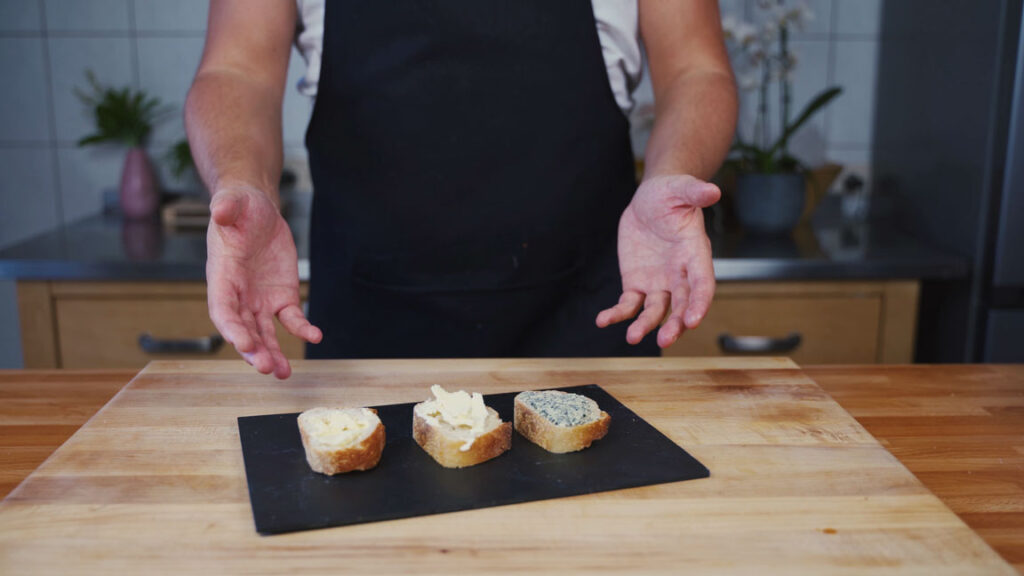
Put the butter in a container or wrap it in parchment paper and refrigerate it. Your homemade butter is ready! It’s especially good on fresh bread, for example with homemade cooked ham.
Variation: cultured butter
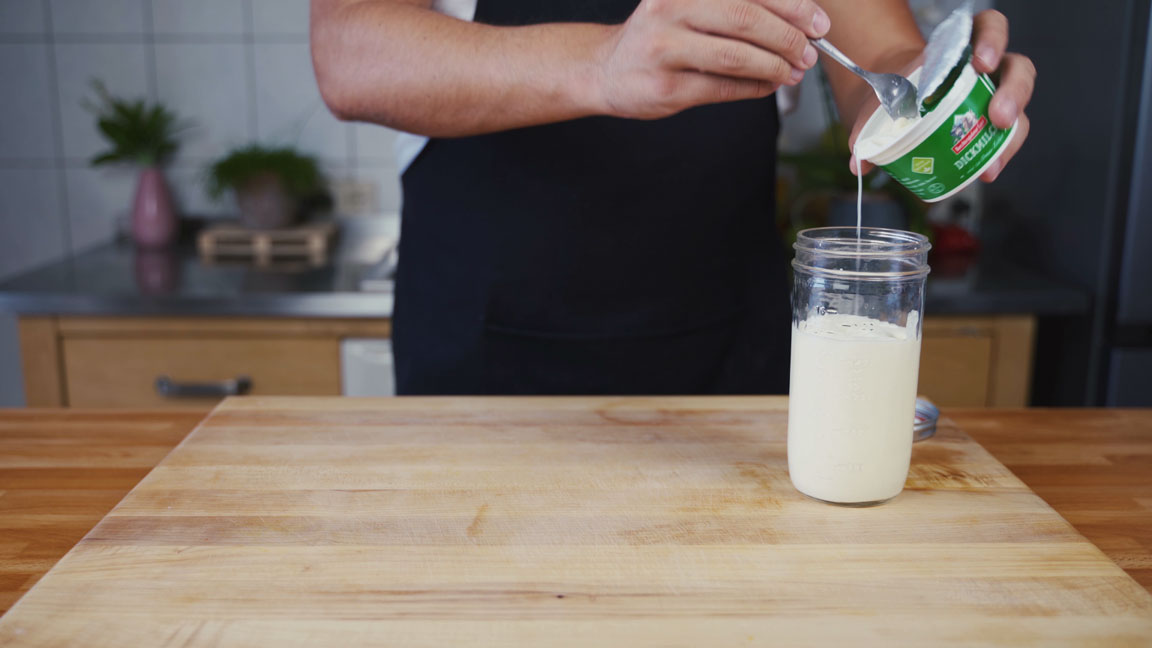
Mix the cream with cultured sour milk
Put the cream in a jar with 2 tsp cultured sour milk and its whey, and stir well. Close the jar, but don’t tighten the lid completely so air can escape. Leave it at room temperature for 24 to 48 hours. The cream will thicken and smell slightly tangy. Important: The cultured sour milk must contain live cultures and must not be pasteurized.
Repeat the basic recipe
From here, follow the basic recipe: whip, strain, wash and shape. The finished butter has a pleasant tang and a more complex flavor. Honestly, I find it more interesting than regular butter. Give it a try!
Shape and chill
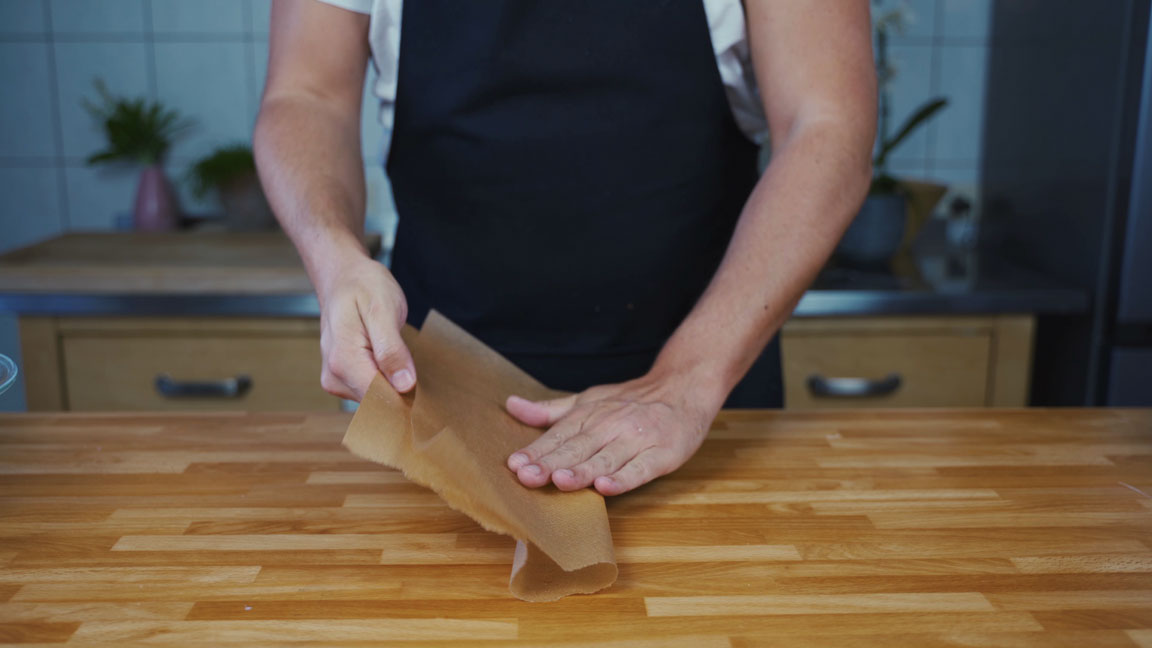
Put the butter in a container or wrap it in parchment paper, then refrigerate it.
Variation: seaweed butter
Mix in the seaweed
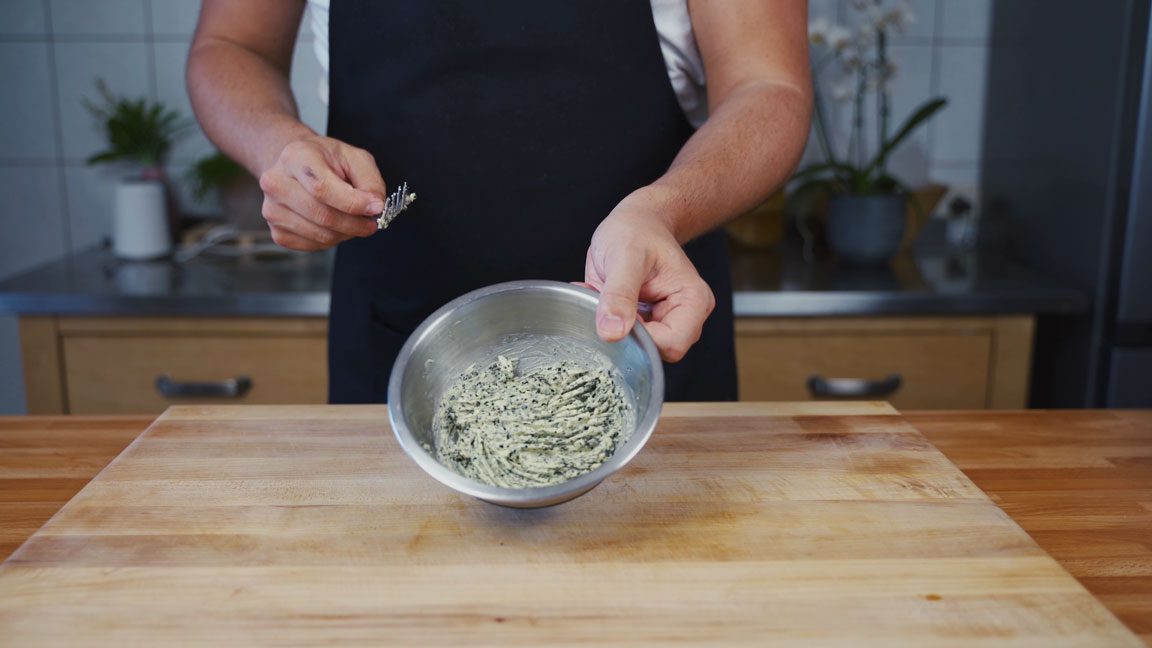
Take a piece of your finished butter and mix it with crumbled dulse or wakame seaweed. Add a little at a time to find the amount you like. You can also experiment with other seaweeds, such as nori or red seaweed from an Asian grocery store.
Ready!
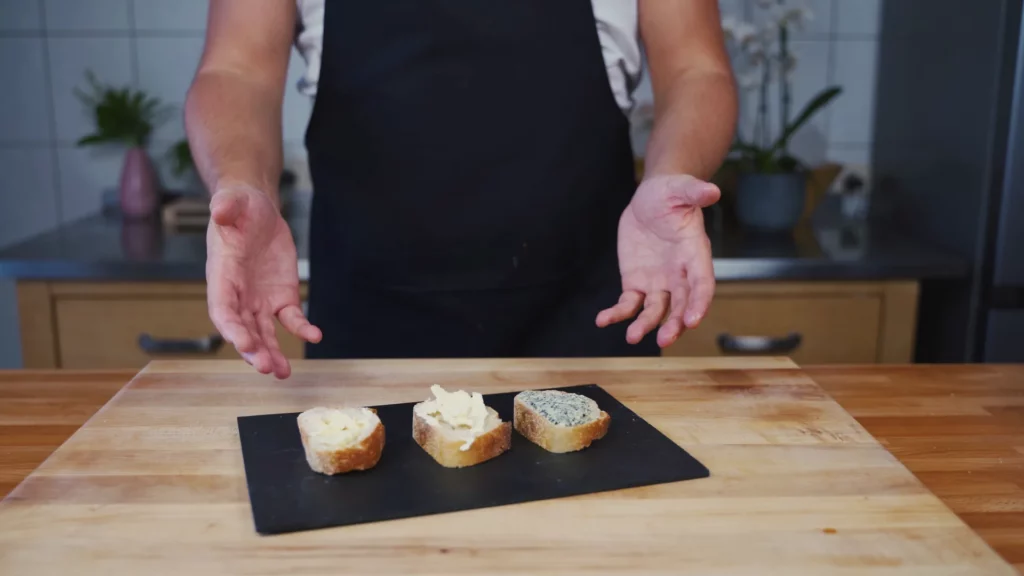
Your seaweed butter is ready. The flavor is incredible: umami, slightly salty and wonderfully complex. It’s fantastic on a good baguette.
Frequently asked questions
How long does homemade butter keep?
How long does homemade butter keep?
If you’ve washed the butter thoroughly, it will keep in the refrigerator for about 14 days. Removing as much buttermilk as possible is what matters: any left behind makes the butter spoil faster. Store it in an airtight container. You can also freeze it for several months. As always, look, smell and taste!
Can I make butter without a food processor?
Can I make butter without a food processor?
Yes! Pour the cold cream into a preserving jar, screw the lid on tightly and shake hard until the buttermilk separates from the pieces of fat. It takes some effort, but it works perfectly. A hand mixer or blender works too, of course.
How do I get cream from milk?
How do I get cream from milk?
You’ll need untreated raw milk straight from a farmer. Pour the milk into a tall container and leave it at room temperature for about 12 hours. A layer of cream will collect on top, which you can simply skim off. Then turn that cream into butter as described in the recipe.
What can I do with the leftover buttermilk?
What can I do with the leftover buttermilk?
The buttermilk is far too good to pour away! Drink it as it is, use it in baking for light rolls and cakes, or make it the base of a salad dressing. The buttermilk from the cultured variation has a particularly interesting flavor.
Why do I need to wash the butter?
Why do I need to wash the butter?
Washing removes the remaining buttermilk from the butter. Buttermilk contains protein and milk sugar, which spoil quickly. The more thoroughly you wash it, the longer your butter will keep. You’re done when the washing water stays clear.