How to Make Mustard at Home

- Level
- Easy
- Rating
- Rate this recipe
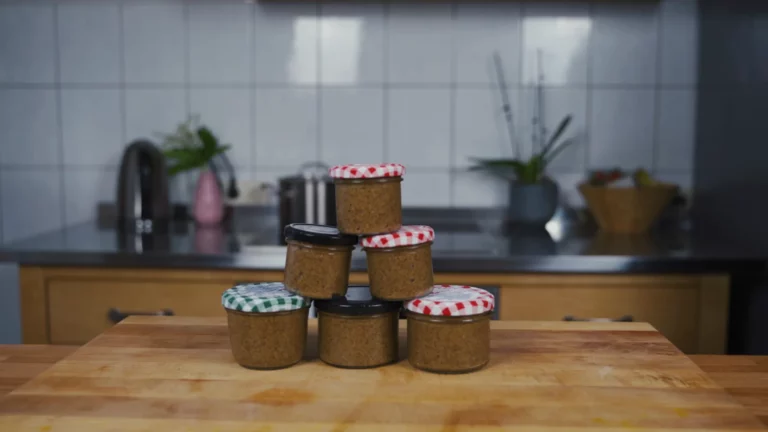
In this post, I’ll show you how to make mustard at home. Alongside the basic smooth mustard recipe, I’ve prepared 5 unusual variations for you.
Mustard is a kitchen all-rounder for me: salad dressings, sauces, marinades and a dip for homemade bratwurst. Homemade mustard is quick, more aromatic and simply tastes better than store-bought!
Preparation takes about 15 minutes, followed by a resting time of 8 to 24 hours. Before you begin, decide whether you want mild or hot mustard. Yellow seeds make mild mustard; brown and black seeds make it hotter.
You can read the complete mustard recipe here. Have fun and good luck making it!
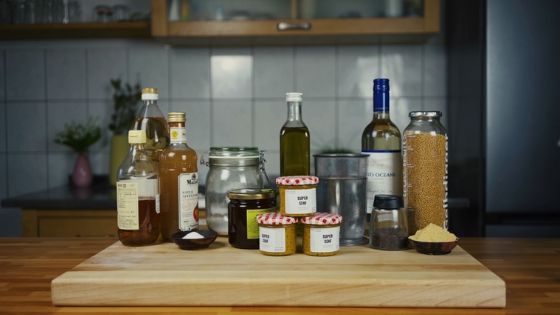
Homemade mustard – ingredients and equipment
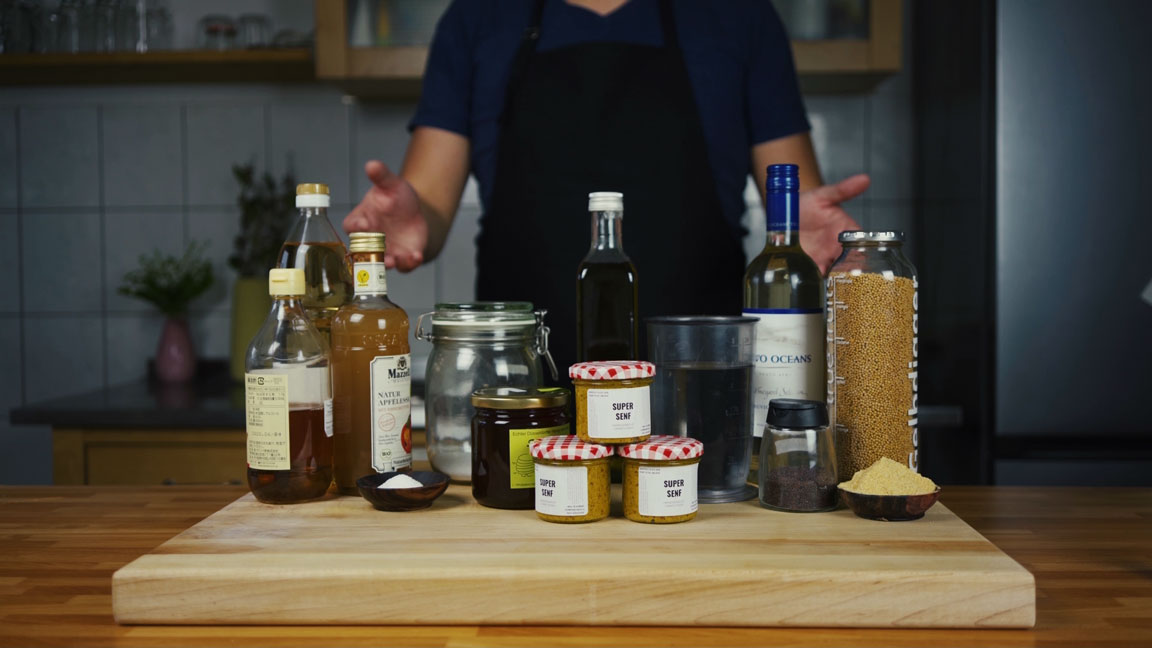
Ingredients
| Ingredient | Grams | Percent |
|---|---|---|
| Ingredients for 600 g | ||
| dry white wine or water | 300 ml | |
| yellow mustard seeds or yellow mustard powder | 200 g | |
| white vinegar | 100 ml | |
| honey | 2 tbsp | |
| sea salt | 2 tbsp | |
| olive oil | 2 tbsp | |
Equipment:
- Spice grinder or mortar: A spice grinder gives you finer mustard powder than a mortar. Manual or electric both work.
- Food processor, immersion blender or Thermomix: All give the same consistency.
- Jars with lids: For storing and maturing your mustard.
- Sieve (if needed): Helps make your mustard powder even finer.
- Measuring jug and kitchen scale
- Bowl for fermenting
Making homemade mustard
Grind the mustard seeds
Put the mustard seeds in a spice grinder or mortar and grind very finely. Important: Use short pulses with pauses in between. If the seeds get too hot during grinding, the mustard loses its essential oils and can taste bitter.
If the powder isn’t fine enough, sieve it afterward or grind it several times.
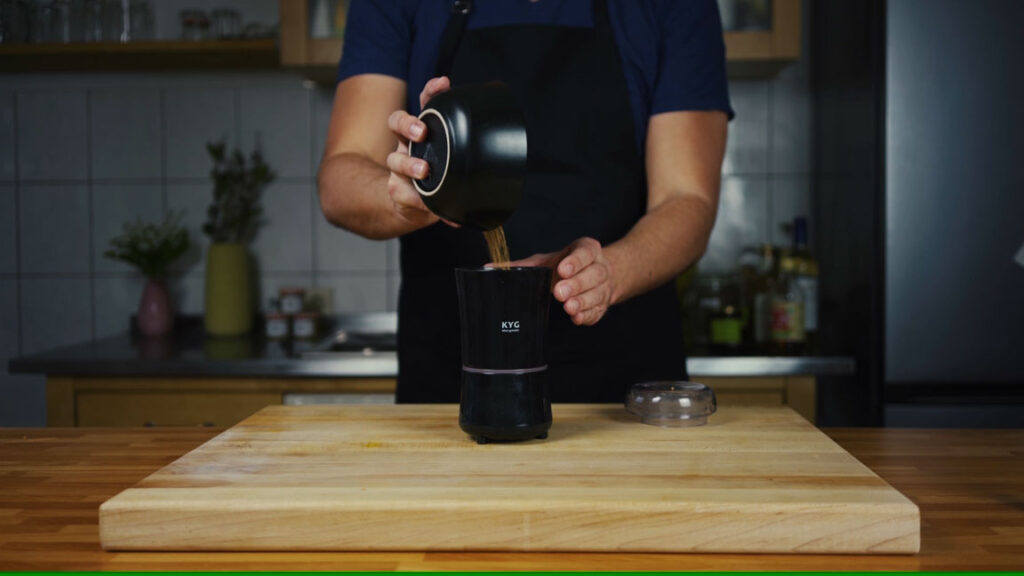
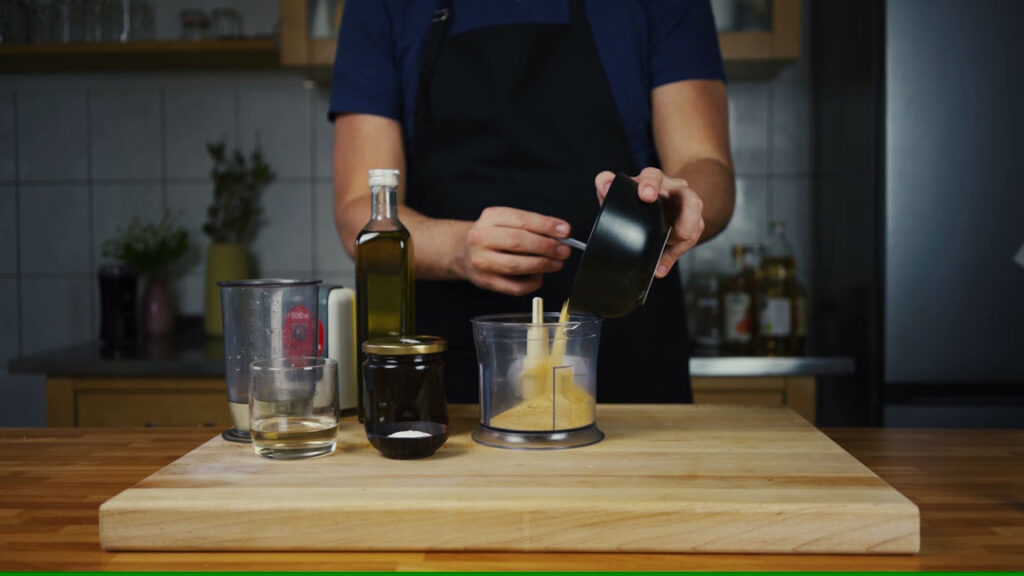
Combine all the ingredients
Put the mustard powder, white wine, vinegar, olive oil, honey and salt in your food processor, immersion blender container or Thermomix. The order doesn’t matter.
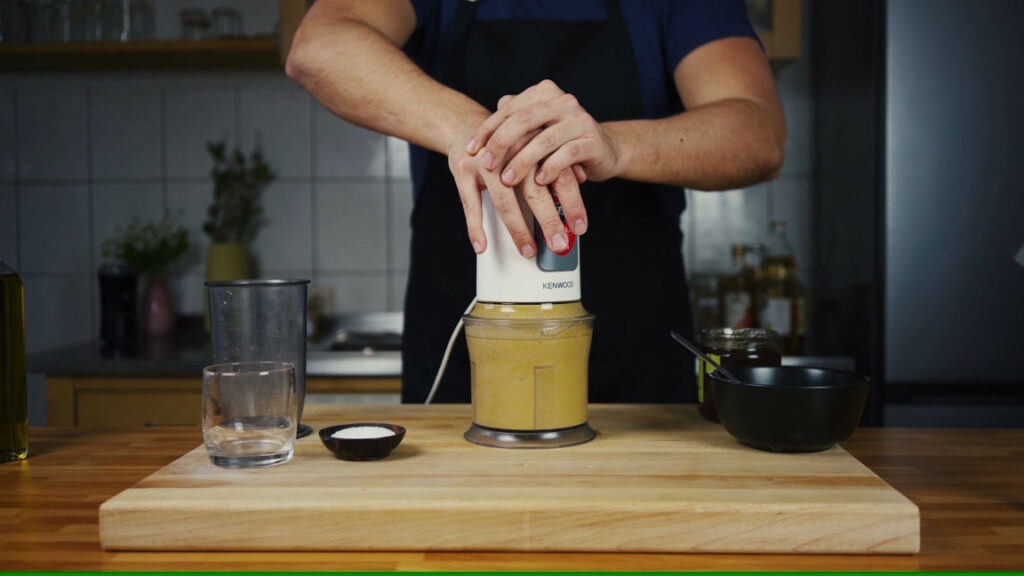
Blend the mixture
Blend to an even consistency. Again, pulse so the mixture doesn’t get too hot. You can still give it enough power to mix everything thoroughly.
Let it ferment and oxidize
Leave the mixture uncovered in a bowl at room temperature for at least 8 hours. Overnight is ideal. Stir every few hours to encourage fermentation and oxidation.
The mustard develops its heat during this time. Tip: Give it a quick stir whenever you walk past the bowl.
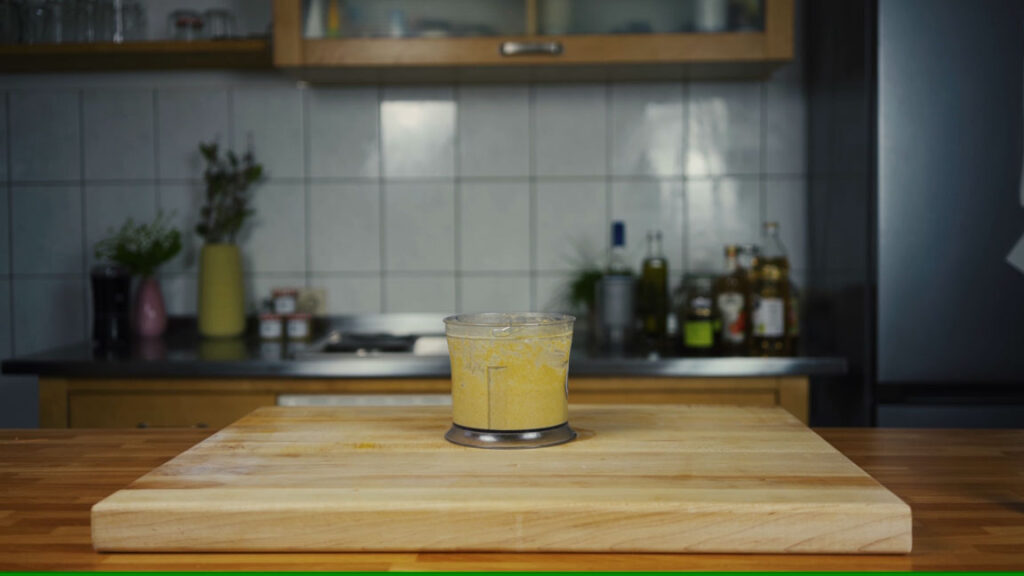
Fill the jars and let it mature
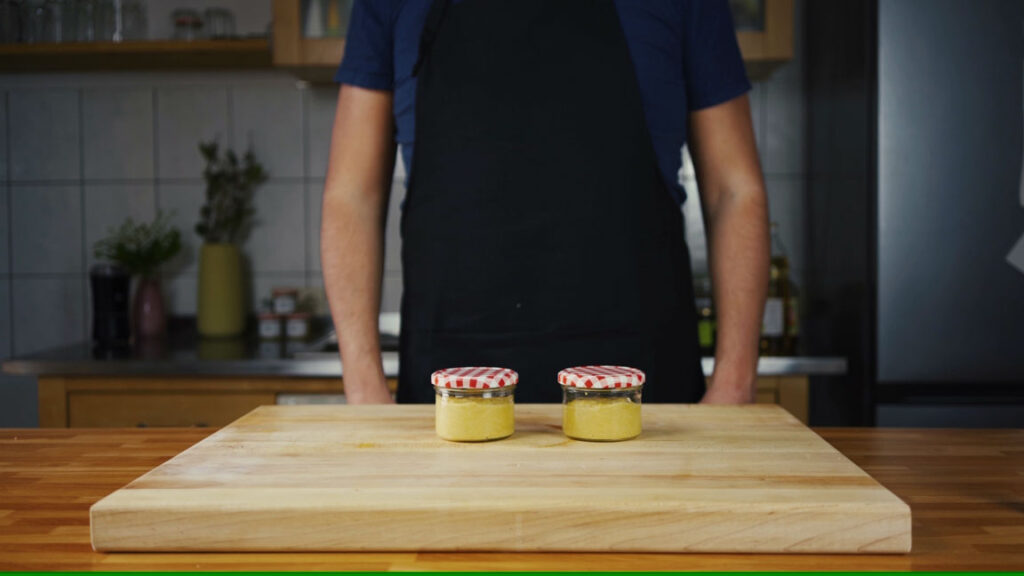
Fill sealable jars with your mustard and let it mature in the refrigerator for at least 2 to 4 weeks. During this time, the full flavor develops and the initial sharpness mellows.
Your smooth mustard is ready. It’s excellent with homemade liverwurst or homemade Leberkäse. Enjoy!
Frequently asked questions
How long does homemade mustard keep?
How long does homemade mustard keep?
Keep the finished mustard in a sealed jar in the fridge; it’s best within a few months. Always use clean utensils in the jar.
The heat changes over time. Mustard is hottest when fresh, then becomes milder and rounder after a few weeks. Taste it now and then to find the point you like best.
Homemade mustard variations
Want to take your mustard further? Give it your own touch. Here are a few ideas:
- Herbs: Thyme, dill, tarragon, basil or seasonal herbs such as wild garlic
- Heat: Fresh chili or chili flakes for an extra kick
- Vary the vinegar: Apple cider vinegar for apple mustard, rice vinegar for an Asian note
- Sweetness: Maple syrup instead of honey, or brown sugar for a caramel note
Be adventurous! Interesting variations come from experimenting. If you need inspiration, here are 5 unusual mustard recipes.
5 unusual mustard recipes
Once you start making mustard, you’ll want more variety. Here are 5 unusual variations to try.
Everyday wholegrain mustard
- 200 g mustard seeds
- 200 ml white vinegar
- 100 ml dry white wine
- 1 onion or 2 shallots, peeled and finely chopped
- 2 tbsp olive oil
- 2 tbsp sea salt
- 2 tbsp honey
- Coarsely grind the mustard seeds in batches and combine them with the remaining ingredients. Blend with an immersion blender until you have a thick paste.
- Leave uncovered for several hours, stirring occasionally to encourage fermentation and oxidation.
- Fill prepared jars, seal and leave to mature for at least 3 weeks.
Homemade sweet mustard
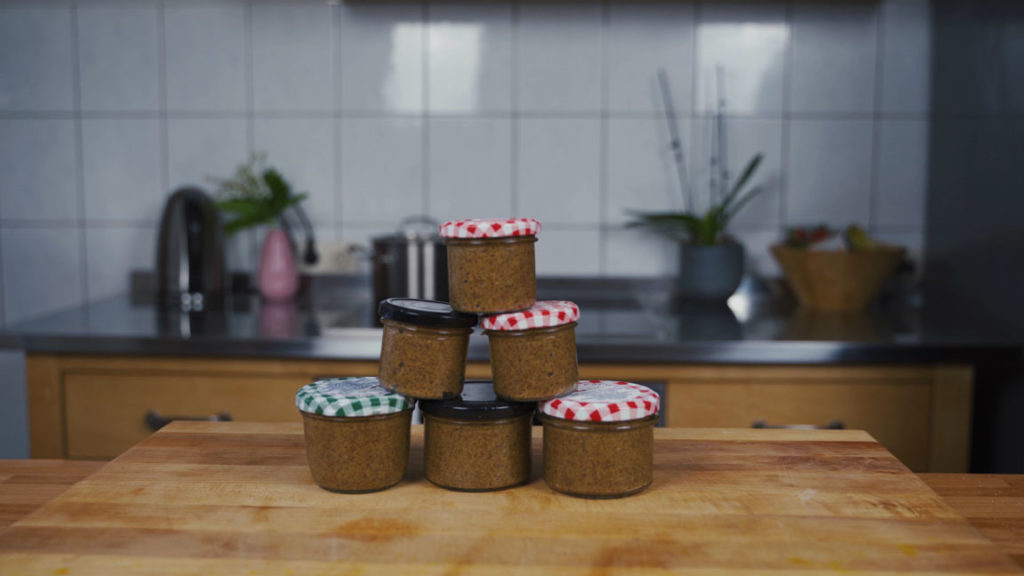
Here’s my sweet mustard recipe, the delicious classic pairing for Weisswurst.
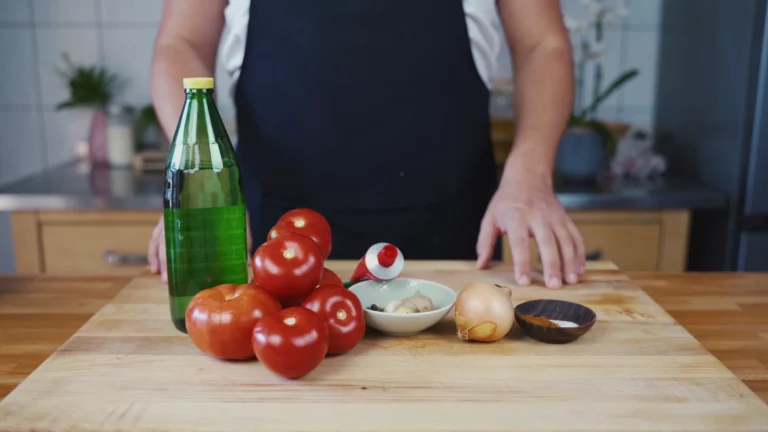
Dracula’s nemesis mustard
- 100 g yellow mustard seeds
- 100 g brown mustard seeds
- 10 allspice berries
- 2 tsp mixed salad herbs
Grind these ingredients as finely as possible in batches using your grinder or mortar. Then add the following and mix until uniform:
- 300 ml wine vinegar
- 100 ml white wine
- 1/2 tsp chili powder
- 2 generously heaped tsp garlic paste
- 100 g sugar
- 4 tsp salt
- 2 tsp turmeric
Blend with an immersion blender until you have a thick paste. Warm gently in a water bath, then leave uncovered overnight. Oxidation and fermentation develop the heat. Blend again if needed, fill the jars and mature for at least 2 weeks. Perfect with homemade bratwurst.
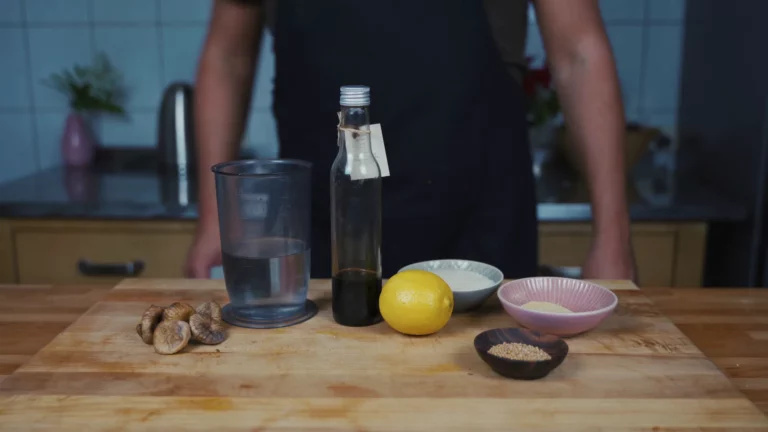
Homemade fig mustard
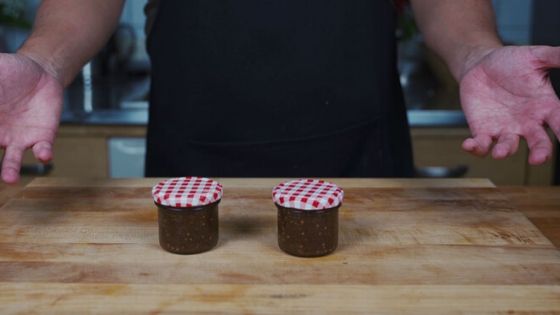
Another delicacy: here’s the fig mustard recipe.
Squishy grape mustard
- Basic recipe (above)
- about 600 g red grapes
- Wash and deseed the red grapes.
- Crush the grapes and leave the pulp uncovered for 24 hours. The red pigments transfer from the skins and flesh into the juice.
- Pass through a fine sieve and reduce to 300 ml.
- Use the 300 ml grape juice in place of the white wine in the basic recipe. Otherwise, prepare as usual.
- Season the grape mustard to taste: chili, cardamom or saffron work beautifully.
Questions about homemade mustard
How hot will homemade mustard be?
That depends on the seeds. Yellow mustard seeds make mild mustard; brown and black seeds are much hotter. Fermentation time also affects the heat: the longer you leave the mixture uncovered, the hotter it initially becomes. The heat then mellows as it matures in the sealed jar.
Which mustard seeds should I use?
Use yellow mustard seeds for mild, smooth mustard. For hot mustard, use brown or black seeds. You can also mix them, for example 50/50 yellow and brown for medium heat. If you don’t have a mortar or grinder, ready-made mustard powder works too.
Can I make mustard without alcohol?
Yes, simply replace the white wine with the same amount of water. The flavor will be a little less complex, but it works just as well. Apple juice is another alcohol-free option and gives the mustard a slightly fruity note.
How long does homemade mustard need to mature?
At least 2 to 4 weeks. During this time, the mustard develops its full flavor and the initial sharpness mellows. You can also let it mature longer. I recommend tasting it now and then to find the point you like best. It’s a matter of taste!